
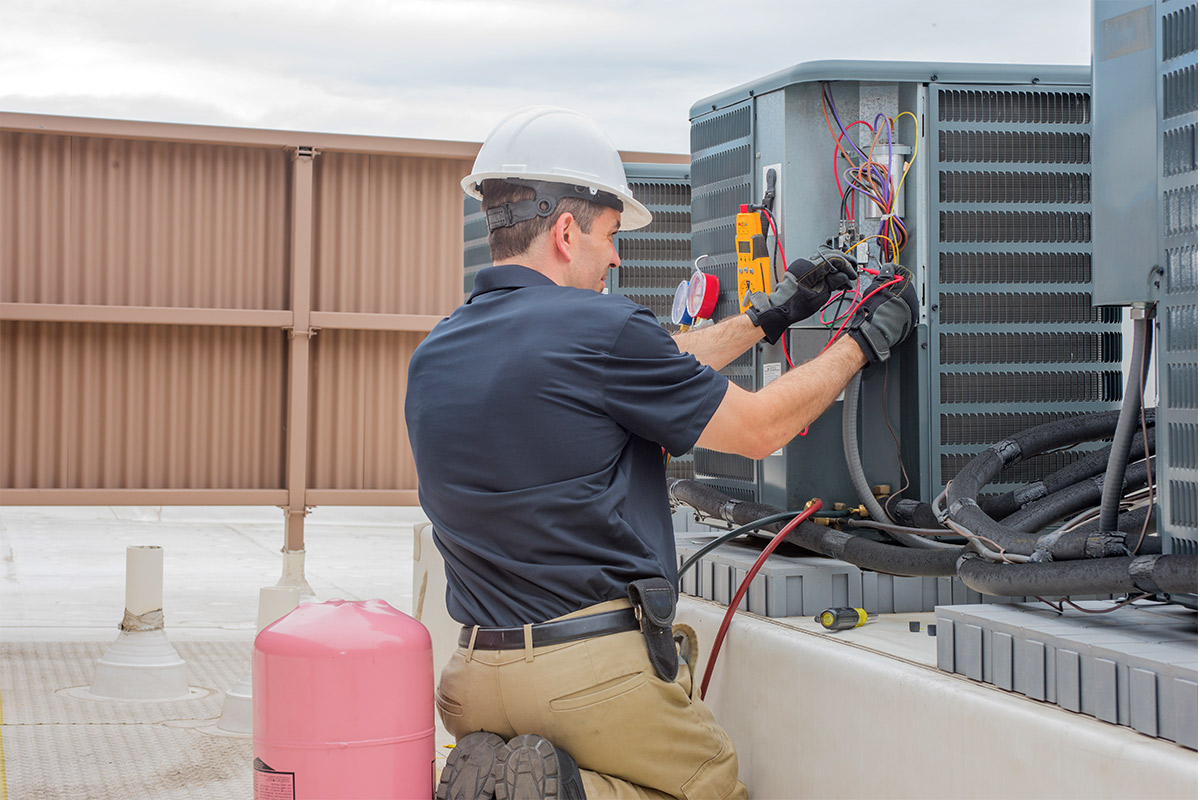
Standards and safety play a vital role in modern day building operations, specifically when it comes to indoor comfort systems. Regular maintenance ensures that equipment is operating securely and reliably throughout the season. If systems are checked regularly and inspected, any potential hazards are discovered early, helping prevent malfunctions and dangerous conditions. Clean systems can also help maintain healthier indoor environments, by ensuring clean airflow and steady temperatures. The application of recognized safety standards builds confidence for occupants as well as operators alike. These methods are not only about performance, but are also about responsibility, long-term reliability and making sure that indoor areas remain cozy and safe to be used daily without disruptions. A professional HVAC service is essential to maintaining safety standards and operational standards. Regular servicing ensures that the components are functioning properly and that safety controls function according to their intended purpose. If you are hunting for additional info on hvac service, look into the previously mentioned site.
This involves testing airflow, monitoring system balance, and making sure that moving parts operate efficiently. Regular maintenance also ensures compliance with industry guidelines that are intended to protect both property and the people. When systems receive regular attention and maintenance, they are less likely to develop faults which could compromise indoor comfort or safety. A planned service approach can help extend system lifespan while maintaining dependable and safe operation. For larger buildings commercial HVAC maintenance is important because of the scale and complexity. These environments often support many residents, making the reliability of the system crucial. A scheduled maintenance will ensure that the equipment is operating within the safe limits and meets required standards. It also reduces the risk of unexpected breakdowns that could disrupt daily activities. By keeping systems clean in balance, well balanced and appropriately calibrated, maintenance supports safe airflow and temperature control. This proactive approach helps building owners to meet safety standards and provide an enjoyable and safe indoor space for everyone using the space. Commercially reliable HVAC services go beyond the basic upkeep by supporting system safety through regular inspections, adjustments and ongoing care. These services assist in ensuring that the systems are in line with current standards and are operating smoothly under the daily demands. Regular professional involvement allows for early the detection of wear and inefficiencies that might impact the safety of a building.
Buildings can also adapt to the changing demands of users and remain compliant. Regular maintenance ensures safe performance minimizes the strain on components and encourages smooth running. This ensures that indoor spaces remain cozy, reliable and in line with established safety expectations. Equally important are commercial ventilation services, which directly affect indoor air quality and safety. Proper ventilation helps manage the airflow, decrease indoor pollution, and help create healthy environments. Routine checks ensure that airflow remains uninterrupted and unimpeded. Well-maintained ventilation systems help prevent stagnant air and improve comfort across the shared space. Following the ventilation guidelines ensures that indoor areas receive appropriate air circulation. This not only improves the comfort of the occupants but also increases safety by providing clean safe, well-controlled indoor conditions for visitors and residents alike. In summary safety and quality are closely tied to consistent treatment and professional assistance. With regular maintenance and reliable HVAC service and planned commercial HVAC maintenance buildings can be operated in confidence. With reliable commercial HVAC services and effective commercial ventilation, these practices create safe, compliant, and comfortable indoor spaces. The importance of establishing standards protects systems, improves the wellbeing of occupants and guarantees long-term performance. If safety is a priority in system care, indoor spaces will benefit from stability, efficiency and peace of head throughout the day.