
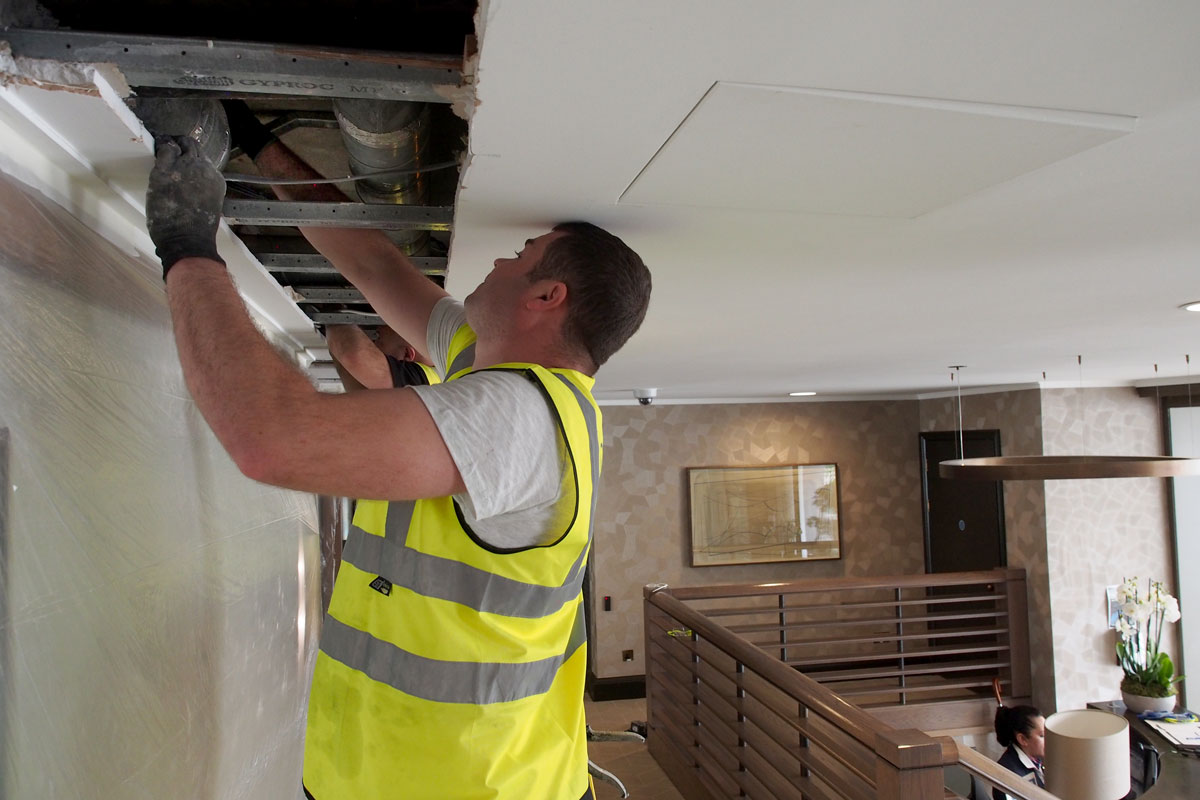
Effective fire protection starts by ensuring that the plan is well-thought out and installation by experts. Fire barriers are a crucial element in this process, as they help slow the spread of smoke and fire in the event of an accident. Fire safety barriers must be thought of early in the process of design to ensure that they are in line with the overall structure. A well-planned fire barrier helps to ensure safety and security in the event of an emergency. The installation of fire barriers should be based on clear plans so that each barrier serves its purpose. It is important to plan ahead so that barriers are placed where they are most effective in establishing a solid foundation for the wider fire safety measures. Fire stopping is another essential element of preparing and installing. Gaps around services, joints, and openings must be sealed to provide protection. The fire stopping systems are designed to close these vulnerable areas as well as enhance safety overall. Experienced fire stopping professionals play a essential roles in installing these systems correctly. Browse the following website, if you are seeking for more information regarding fire stopping installers.
Fire stopping should be coordinated with other safety measures in order to make sure that there is a continuity. When planned properly, fire stopping works seamlessly alongside fire protection. This coordinated approach lowers risk and helps ensure that protective precautions are maintained throughout the building over time. The protection of compartments depends heavily on accurate planning. The process of compartmentalizing fires divides the structure into parts that prevent fire spread. Compartmentation can help protect the occupants as well as property by limiting fire spread to specified areas. Fire compartments in buildings must be designed with care to fit the layout and purpose of the space. When installing, each wall, floor, and junction must align with the intended layout of the compartment. Fire stopping systems support compartmentation by sealing penetrations. Together, these systems create a layered defence that performs best when planned and installed as a unified system. External areas also require cautious design. Cavity barriers for walls assist in stopping fire spreading by obscuring voids.
They must be properly placed during installation in order to be effective. EWS1 the cladding design has more emphasis on the material selection and installation quality. External fire resistant cladding provides safer building envelopes when placed as part of a coordinated plan. The proper sequencing of the installation process ensures that the cladding and cavity barriers integrate. Making sure that external protection is planned in conjunction with internal systems will ensure that there is a consistent level of safety in the fire protection of the entire structure. The materials used for outdoor spaces are also a part of the planning process. Composite decking that is non-combustible has been chosen to reduce fire risk in exposed areas. Non combustible balcony decking provides security while retaining the durability. Fire rated decking adds further protection by resisting burning and slowing the spread of fire. These decking materials should be defined and installed according to the specifications. In conjunction with fire safety barriers, compartmentation, and fire stopping they can be used to support a complete fire plan. Proper planning and skillful installation ensure that each element works for reliable, long-term protection against fire.